

Smart Classrooms in Schools: How Technology Is Transforming Modern Education
Education is evolving rapidly in the digital age. Traditional chalk-and-board teaching methods are gradually being replaced by innovative learning environments that use technology to enhance understanding and engagement.
One of the most significant developments in modern education is the introduction of smart classrooms in schools.
Smart classrooms integrate digital tools, interactive content, and advanced technology to create a more engaging and effective learning experience for students. These classrooms are designed to support modern teaching methods and prepare students for a technology-driven world.
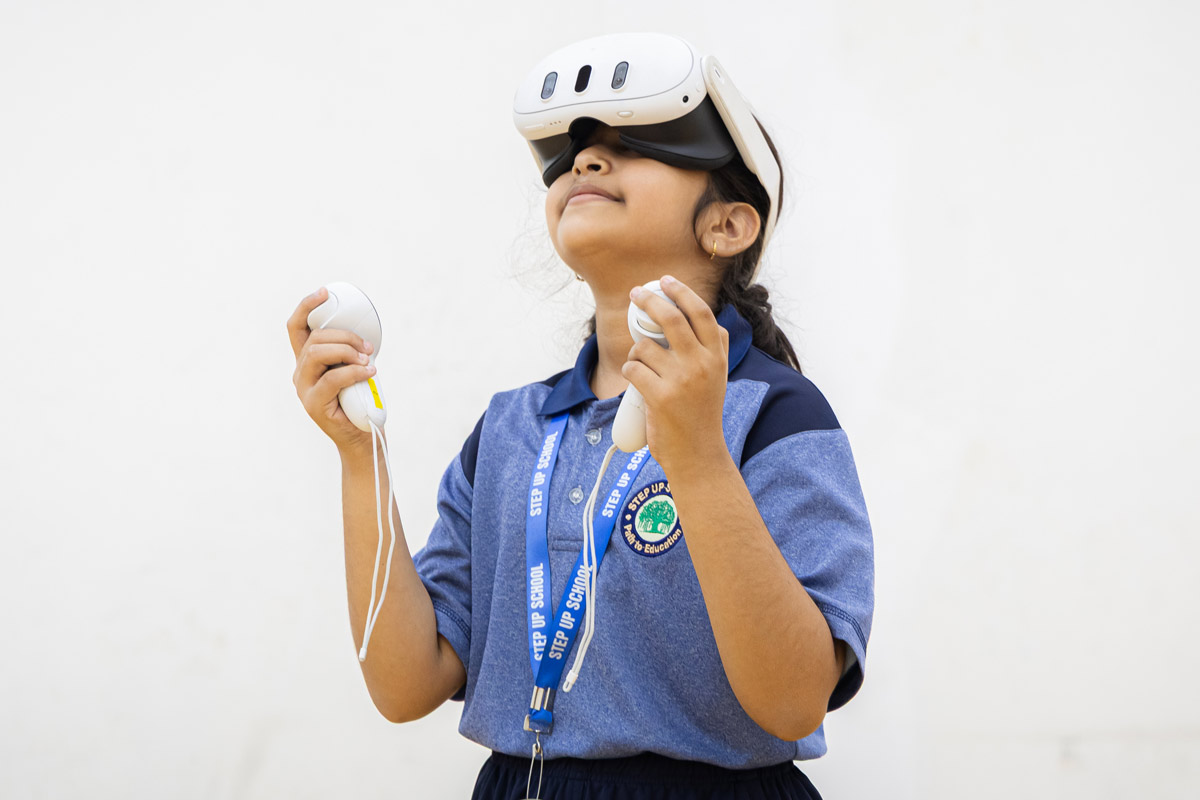
As schools adopt new technologies such as interactive boards, robotics labs, artificial intelligence tools, and immersive learning environments, students gain access to learning experiences that are more dynamic, interactive, and future-focused.
What Are Smart Classrooms?
A smart classroom is a technology-enabled learning environment where digital tools are used to enhance teaching and learning.
Unlike traditional classrooms, smart classrooms combine multiple technologies to create interactive and engaging educational experiences.
Common elements of smart classrooms include:
- Interactive digital boards
- multimedia presentations
- digital learning platforms
- educational software
- high-speed internet access
- virtual simulations and visual content
These technologies help teachers explain complex concepts more effectively and allow students to participate actively in the learning process.
Why Smart Classrooms Are Becoming Important in Schools
The rapid advancement of technology has changed how students learn and interact with information.
Smart classrooms help schools adapt to these changes by creating a learning environment that aligns with modern educational needs.
Some key reasons why smart classrooms are becoming essential include:
- improved student engagement
- interactive learning experiences
- access to global educational resources
- enhanced collaboration between students
- better visualization of complex topics
By integrating technology into education, schools can make learning more effective and meaningful.
Key Benefits of Smart Classrooms in Schools
1. Interactive Learning Experience
Smart classrooms make lessons more interactive through multimedia presentations, videos, simulations, and real-time demonstrations. Instead of simply reading about concepts, students can visualize and explore them through digital tools. For example, scientific processes, historical events, and mathematical concepts can be demonstrated using animations and visual models. This interactive approach helps students understand subjects more clearly.2. Better Student Engagement
Traditional lectures may sometimes struggle to maintain student attention. Smart classrooms use engaging content and interactive tools that encourage participation. Students become more involved in the learning process through:- interactive quizzes
- digital presentations
- collaborative activities
- visual learning tools
3. Improved Conceptual Understanding
Many academic concepts can be difficult to understand through textbooks alone. Smart classroom technologies help simplify complex topics by providing:- visual demonstrations
- real-world simulations
- interactive problem-solving activities
4. Access to Global Learning Resources
Technology-enabled classrooms provide access to a wide range of educational resources beyond textbooks. Students can explore:- digital libraries
- educational videos
- global research materials
- online learning platforms
5. Encourages Collaborative Learning
Smart classrooms promote collaboration by allowing students to work together on projects, presentations, and group activities. Collaborative learning helps students develop:- communication skills
- teamwork abilities
- problem-solving strategies
6. Prepares Students for a Technology-Driven Future
Technology is shaping almost every industry today. Introducing students to digital tools, robotics, and AI-based learning environments prepares them for future academic and career opportunities. Students who are familiar with technology early in their education often develop stronger digital literacy and adaptability.Role of Technology in Modern Education
Modern education is no longer limited to traditional teaching methods. Schools are increasingly integrating advanced technologies that transform how students learn and interact with knowledge.
Some of the most impactful technologies in education include:
Artificial Intelligence (AI)
AI-based learning platforms can help personalize educational experiences by adapting to each student’s learning pace and style.
Robotics Education
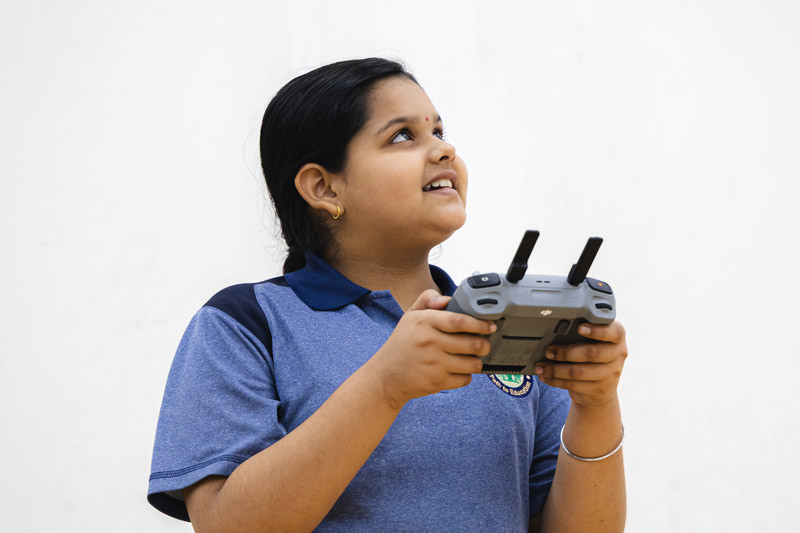
Robotics labs allow students to explore engineering concepts, coding, and problem-solving through hands-on activities.
Augmented Reality (AR) and Virtual Reality (VR)
AR and VR technologies create immersive learning experiences where students can explore virtual environments, scientific models, and historical scenarios.
These innovations help make learning more engaging and meaningful.
Creating Future-Ready Learning Environments
Modern schools aim to prepare students for a world that is constantly evolving.
Technology-enabled classrooms help students develop important skills such as:
- digital literacy
- critical thinking
- innovation and creativity
- adaptability
By combining technology with strong academic foundations, schools create environments that encourage exploration, curiosity, and continuous learning.
The Future of Smart Classrooms
As educational technology continues to advance, smart classrooms are expected to become even more sophisticated.
Future classrooms may incorporate:
- AI-powered learning systems
- immersive virtual learning environments
- advanced robotics education
- personalized digital learning platforms
These innovations will allow schools to deliver highly customized learning experiences that meet the needs of individual students.
Technology-Driven Learning in Modern Schools
Forward-thinking educational institutions are increasingly adopting technology to enhance learning outcomes.
By integrating advanced labs, interactive teaching tools, and technology-based programs, schools can create environments that inspire curiosity and innovation.
Programs that include robotics labs, immersive AR/VR learning tools, leadership initiatives, and creative arts opportunities help students develop both academic knowledge and practical skills.
This balanced approach ensures that students are prepared not only for examinations but also for the challenges of the modern world.
Final Thoughts
The introduction of smart classrooms in schools is transforming the way students learn and interact with knowledge.
By combining technology with innovative teaching methods, smart classrooms make education more engaging, interactive, and effective.
Schools that embrace digital learning tools, robotics programs, and immersive technologies create learning environments where students can explore ideas, develop skills, and prepare for future opportunities.
As education continues to evolve, smart classrooms will play an increasingly important role in shaping the next generation of learners.
Frequently Asked Questions (FAQs)
What is a smart classroom in schools?
A smart classroom is a technology-enabled learning environment that uses digital tools, interactive boards, multimedia content, and educational software to enhance teaching and learning.
What are the benefits of smart classrooms?
Smart classrooms improve student engagement, help visualize complex concepts, encourage collaboration, and provide access to diverse learning resources.
How does technology improve learning in schools?
Technology allows students to explore interactive content, simulations, digital libraries, and collaborative tools that make learning more engaging and effective.
Are smart classrooms important for future education?
Yes. Smart classrooms help students develop digital literacy and technological skills that are essential for future academic and career opportunities.
What technologies are used in modern classrooms?
Common technologies include interactive boards, robotics labs, AI-based learning platforms, augmented reality (AR), and virtual reality (VR) learning tools.