
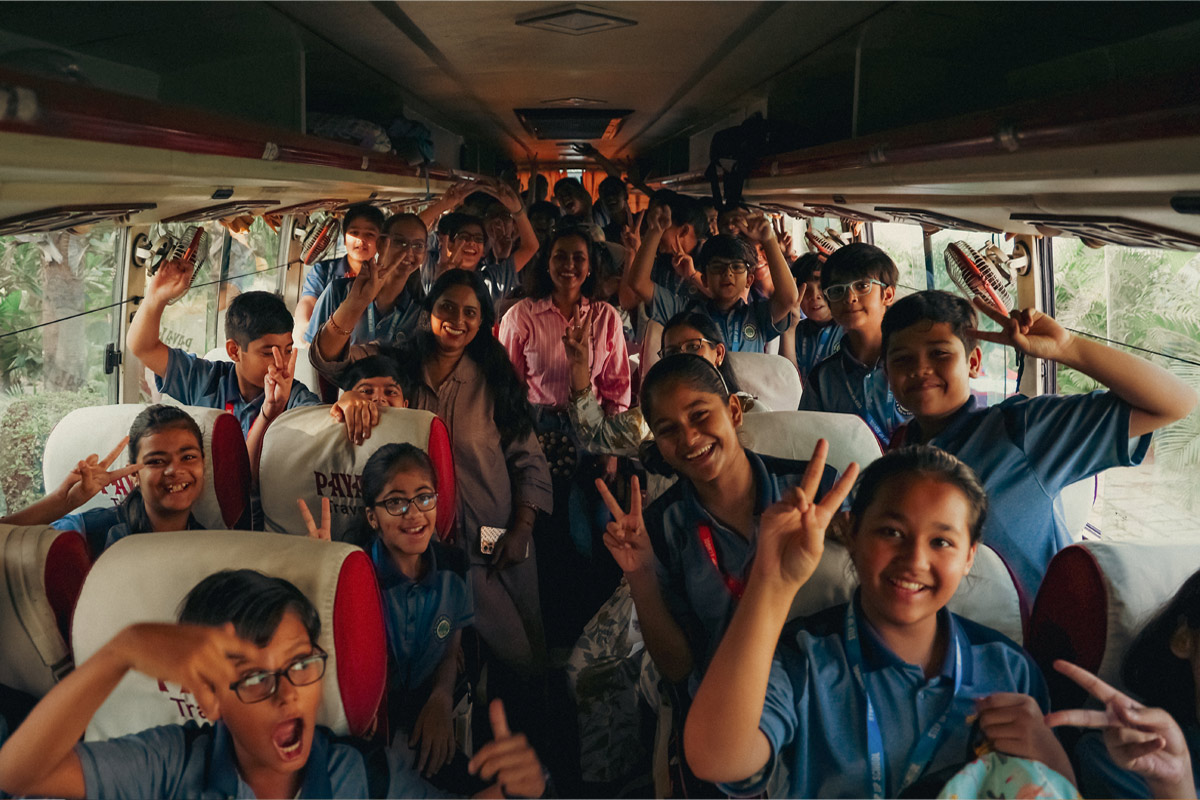
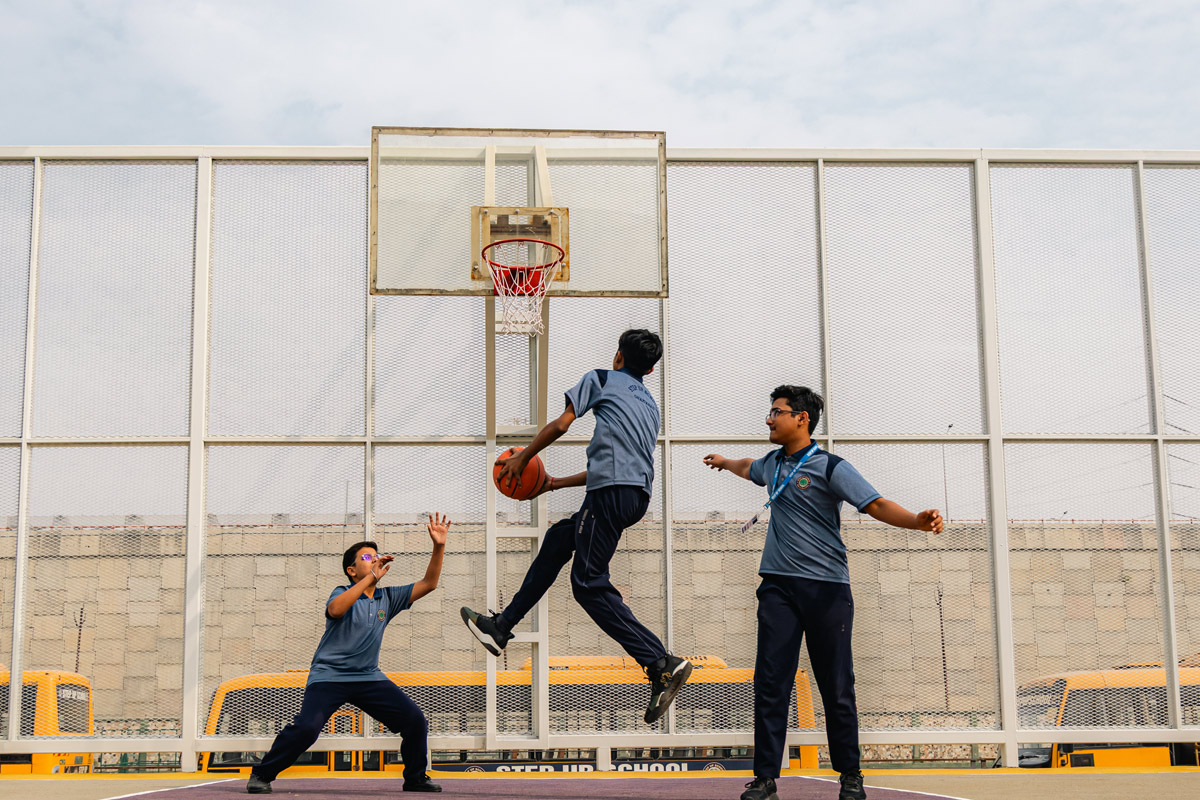
Importance of Extracurricular Activities in School Education
Education today is not limited to textbooks and classroom lessons. Schools play a vital role in shaping students into confident, creative, and capable individuals. Along with academic learning, students need opportunities to explore their talents, develop social skills, and discover their interests.
This is where extracurricular activities become an essential part of school education.
The importance of extracurricular activities lies in their ability to help students grow beyond academics. Activities such as sports, music, debate, theatre, arts, and leadership programs allow students to develop skills that cannot always be learned in traditional classrooms.
When schools encourage participation in these activities, they create an environment where students can achieve holistic development—growing intellectually, socially, emotionally, and physically.
What Are Extracurricular Activities?
Extracurricular activities are programs and experiences offered by schools that take place outside regular academic subjects.
These activities allow students to explore their interests and talents while learning valuable life skills.
Common examples include:
- Sports and athletics
- Music and performing arts
- Dance and theatre
- Debate and public speaking
- Art and creative activities
- Science clubs and robotics programs
- Leadership initiatives such as Model United Nations (MUN)
These activities complement academic learning and help students develop confidence and discipline.

Why Extracurricular Activities Are Important for Students
Extracurricular participation offers several benefits that contribute to a student’s overall development.1. Encourages Holistic Development
One of the most important benefits of extracurricular activities is that they promote holistic development. Students learn to balance academics with other interests, allowing them to develop multiple skills at the same time. Holistic development includes:- intellectual growth
- emotional maturity
- physical fitness
- social awareness
2. Builds Confidence and Self-Esteem
When students participate in competitions, performances, or sports events, they gain opportunities to express themselves. Achieving small milestones in these activities helps students build confidence and self-belief. Whether performing on stage, participating in a debate, or winning a sports match, these experiences help students overcome hesitation and develop strong self-esteem.3. Develops Leadership and Teamwork Skills
Many extracurricular activities involve group participation. Students learn how to:- collaborate with others
- communicate effectively
- solve problems together
- take leadership roles
4. Improves Academic Performance
Contrary to the belief that extracurricular activities distract students from studies, research shows that active participation can actually improve academic performance. Students who participate in activities often develop:- better time management
- improved focus
- stronger discipline
5. Encourages Physical Health and Well-being
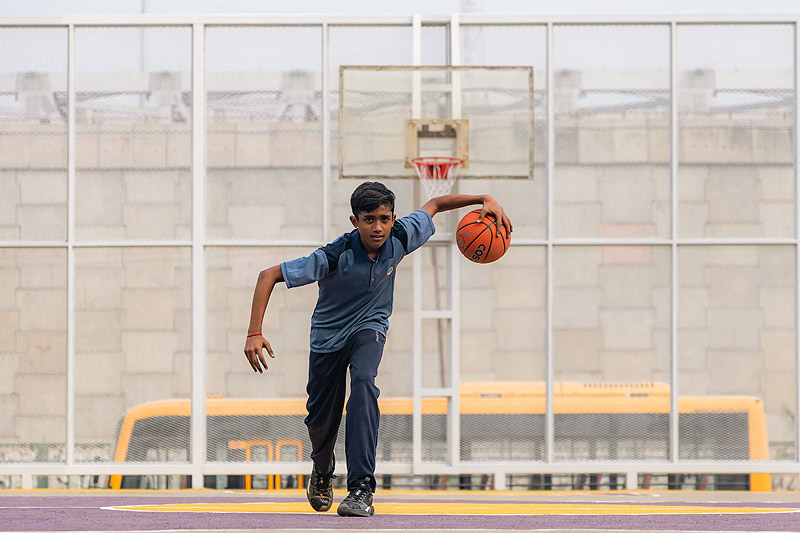
Sports and physical activities are essential for maintaining a healthy lifestyle. Activities such as football, basketball, athletics, and yoga help students:- improve physical fitness
- develop endurance and strength
- reduce stress
- build healthy habits
6. Enhances Creativity and Innovation
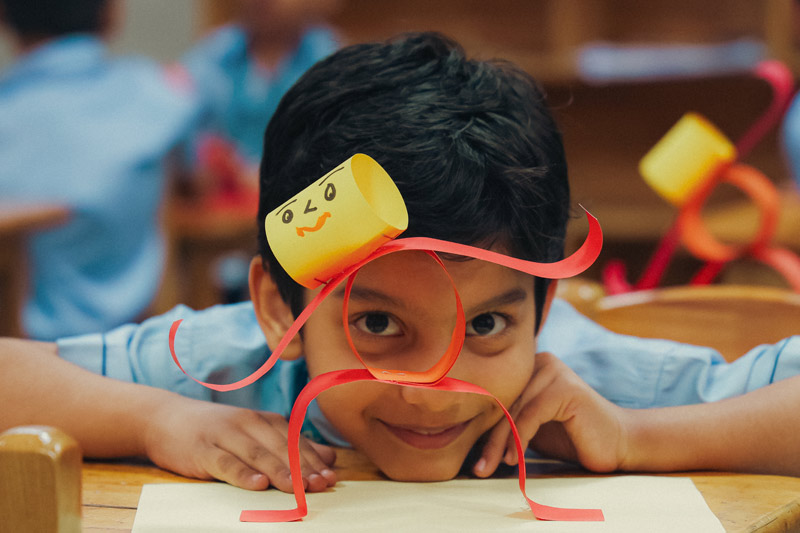
Creative activities such as art, music, theatre, and dance allow students to express their imagination and creativity. These experiences help students:- explore artistic talents
- develop creative thinking
- build confidence in self-expression
7. Improves Social Skills
Extracurricular programs bring students together from different backgrounds and interests. Through participation, students learn to:- communicate with peers
- develop friendships
- respect diverse perspectives
- work together toward common goals
8. Prepares Students for Future Careers
Participation in extracurricular activities often helps students discover their interests and passions. For example:- students interested in technology may explore robotics clubs
- students passionate about communication may join debate teams
- students interested in leadership may participate in MUN programs
Role of Schools in Encouraging Extracurricular Participation
Schools play an important role in creating opportunities for students to participate in diverse activities.
A supportive school environment ensures that students can explore different interests without pressure.
Progressive schools provide structured programs such as:
- sports teams and athletic competitions
- music and performing arts clubs
- debate and public speaking programs
- science and technology clubs
- cultural and community initiatives
By offering a variety of opportunities, schools allow students to discover their strengths and develop new skills.
A Modern Learning Environment That Supports Student Growth
Today’s education system is evolving to support more dynamic and engaging learning experiences.
Schools are increasingly integrating activities that combine academics with creativity, leadership, and technology.
Programs such as:
- robotics and AI labs
- Model United Nations (MUN)
- sports training and competitions
- music, theatre, and arts programs
help students gain exposure to different fields while building confidence and teamwork skills.
These initiatives ensure that students graduate with a broad range of abilities that support both academic and personal success.

Extracurricular Activities and Holistic Education
Holistic education focuses on nurturing every aspect of a child’s development.
Extracurricular activities contribute to this approach by encouraging students to grow beyond traditional classroom learning.
Through participation in sports, arts, and leadership programs, students learn essential life skills such as:
- discipline
- perseverance
- communication
- teamwork
- creativity
These qualities help students become capable and responsible individuals.
Final Thoughts
The importance of extracurricular activities in school education cannot be overstated. While academics provide knowledge, extracurricular experiences help students develop the confidence, creativity, and social skills needed for real-world success.
Schools that encourage participation in diverse activities create an environment where students can explore their interests, build leadership skills, and discover their full potential.
A balanced education that combines academic learning with extracurricular engagement helps students grow into well-rounded individuals prepared for the challenges and opportunities of the future.
Frequently Asked Questions (FAQs)
Why are extracurricular activities important for students?
Extracurricular activities help students develop confidence, creativity, teamwork, and leadership skills while supporting their overall development.
Do extracurricular activities improve academic performance?
Yes, students involved in activities often develop better time management, discipline, and focus, which can improve academic performance.
What are examples of extracurricular activities in schools?
Common activities include sports, music, theatre, dance, debate clubs, art programs, robotics clubs, and leadership initiatives.
How do extracurricular activities support holistic development?
They help students develop physical fitness, emotional intelligence, social skills, and creativity alongside academic learning.
Should every student participate in extracurricular activities?
Participation is highly beneficial because it helps students explore interests, build confidence, and develop valuable life skills.