
Personality Development in School: How Education Shapes Confident and Successful Students
Education plays a crucial role in shaping not only a child’s academic abilities but also their personality, values, and confidence. Schools are environments where children spend many formative years learning how to communicate, collaborate, solve problems, and understand the world around them.
This is why personality development in school is an essential part of a child’s overall growth.
A well-rounded education goes beyond textbooks and examinations. It helps students build confidence, develop communication skills, strengthen emotional intelligence, and discover their unique talents.
When schools focus on personality development alongside academics, they prepare students to become capable, confident, and responsible individuals.
What Is Personality Development in School?
Personality development refers to the process through which students develop important qualities such as confidence, communication skills, leadership abilities, emotional intelligence, and positive attitudes.
In a school environment, personality development happens through a combination of experiences including:
- classroom learning
- group discussions
- extracurricular activities
- leadership programs
- social interactions with peers and teachers
These experiences help students understand themselves better and build the confidence needed to express their ideas and opinions.
Why Personality Development Is Important for Students
Personality development plays a significant role in shaping a student’s future success. While academic knowledge is essential, personal qualities such as confidence, adaptability, and communication skills are equally important. Here are some key reasons why personality development matters in school.1. Builds Confidence and Self-Belief
Confidence is one of the most important qualities students develop during their school years. Through classroom participation, presentations, debates, and performances, students learn to express themselves without fear. Confidence allows students to:- participate actively in discussions
- share ideas and opinions
- overcome stage fear
- take initiative in group activities
2. Improves Communication Skills
Strong communication skills are essential for academic success and future careers. Schools help students develop these skills through activities such as:- presentations and public speaking
- group discussions
- debates and storytelling
- collaborative projects
3. Encourages Leadership Skills
Leadership development is an important aspect of personality growth. Many schools encourage leadership through programs and activities such as:- student councils
- team-based projects
- leadership workshops
- debate and Model United Nations programs
4. Enhances Emotional Intelligence
Emotional intelligence refers to the ability to understand and manage emotions while interacting with others. Schools help students develop emotional intelligence by encouraging:- empathy and respect
- teamwork and cooperation
- conflict resolution
- self-awareness
5. Promotes Social Skills and Collaboration
School environments bring together students from diverse backgrounds and personalities. Through daily interactions, students learn important social skills such as:- teamwork
- respect for different perspectives
- cooperation in group activities
- problem-solving with peers
6. Encourages Creativity and Self-Expression
Creative activities allow students to express their thoughts and emotions in unique ways. Programs such as:- art and painting
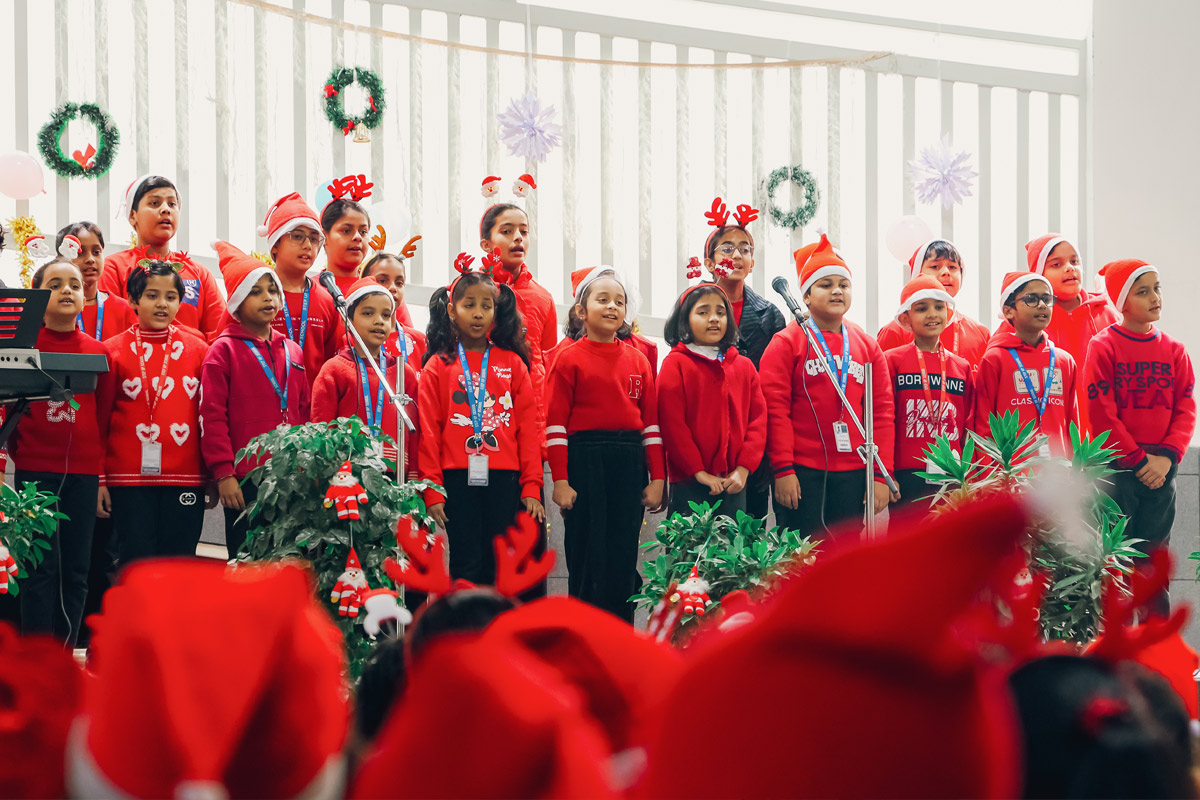
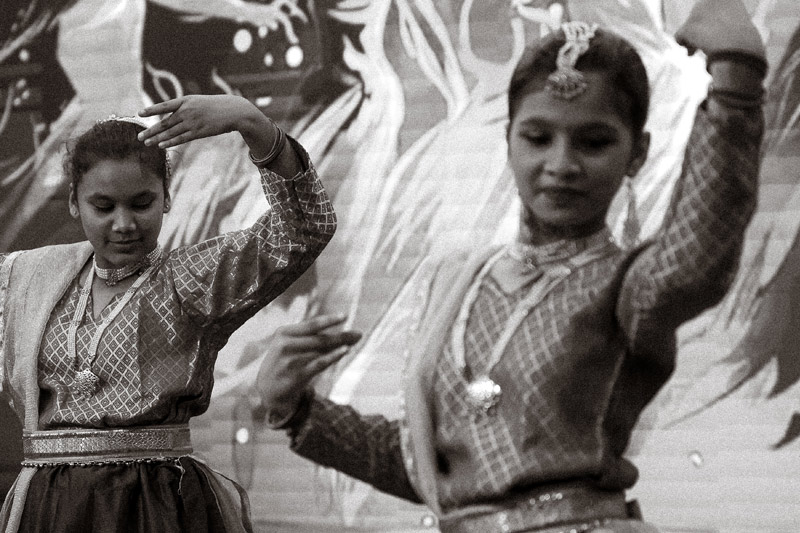
- music and dance
- theatre and drama
- creative writing
7. Prepares Students for Real-World Challenges
Personality development prepares students for challenges they may face in higher education, professional careers, and personal life. Skills developed during school—such as confidence, communication, adaptability, and leadership—are highly valuable in real-world situations. Students who develop strong personalities are often better prepared to take initiative and pursue opportunities.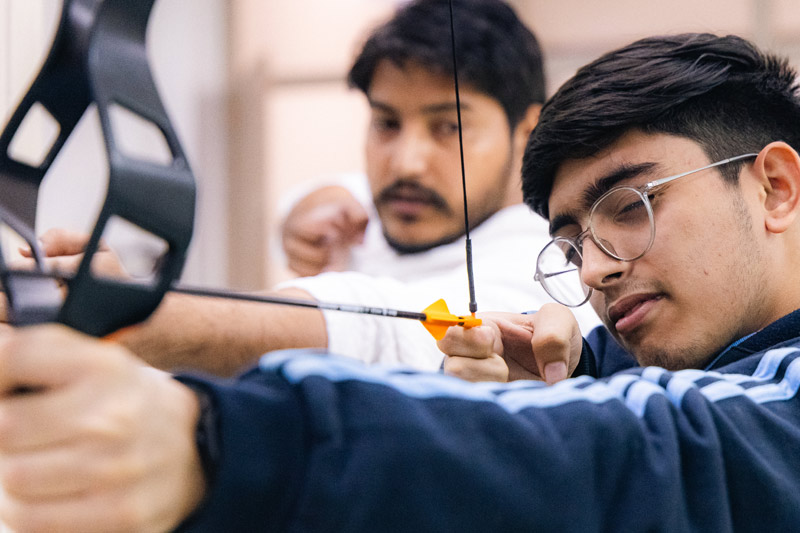
Activities That Support Personality Development in Schools
Schools provide various activities that help students build confidence and develop personal skills.
Some common activities include:
Public Speaking and Debates
These activities improve communication skills and help students learn how to present ideas clearly.
Leadership Programs
Programs such as student councils and Model United Nations encourage leadership and decision-making.
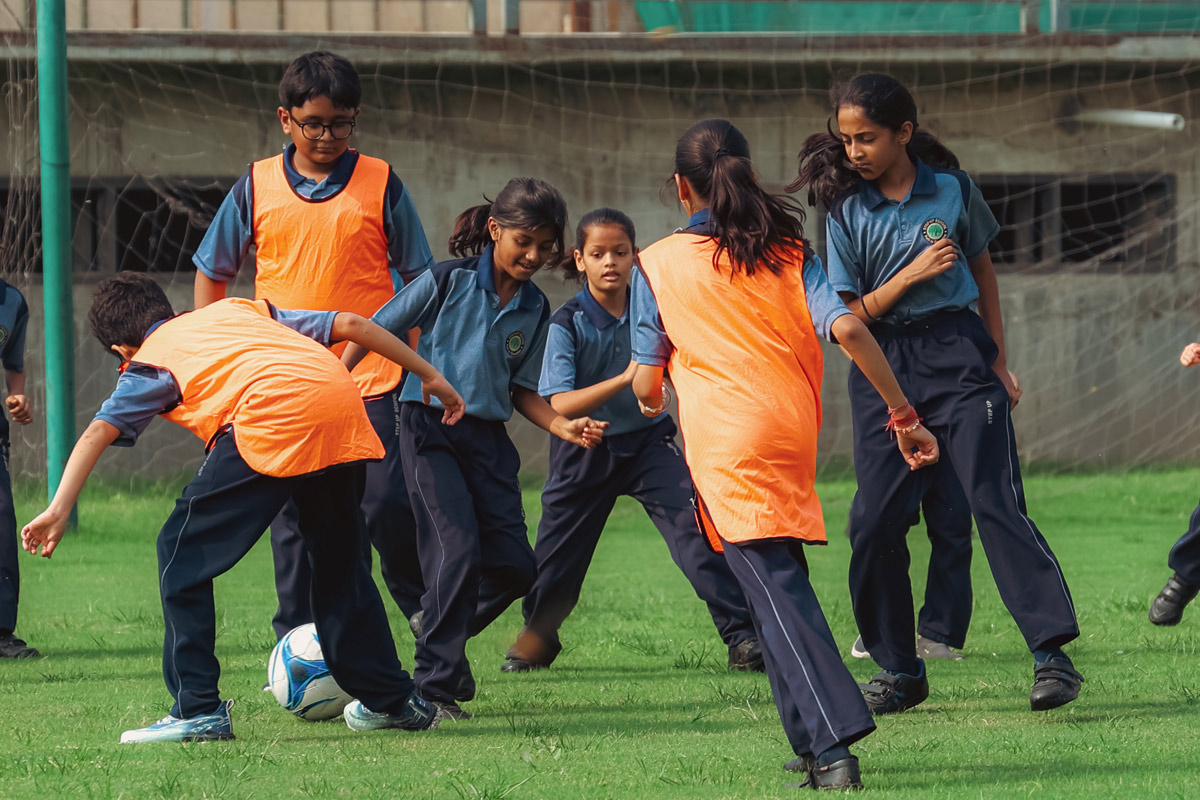
Sports and Team Activities
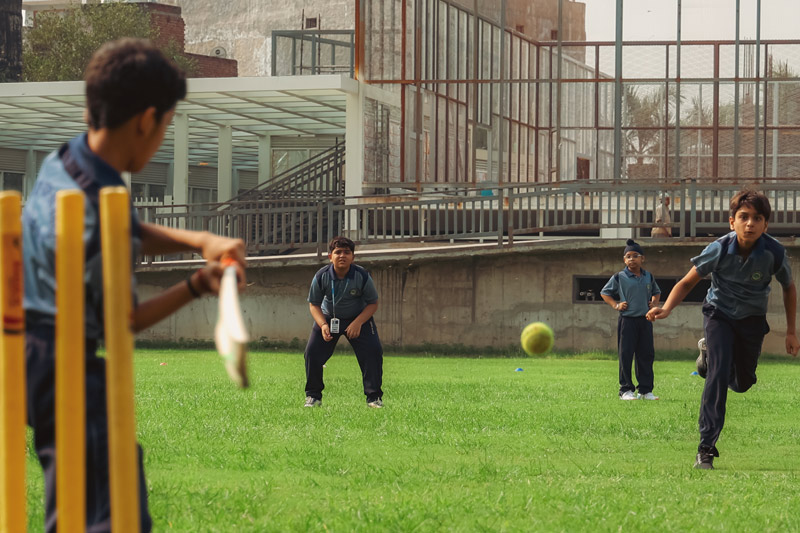
Sports help students develop discipline, teamwork, and resilience.
Cultural and Creative Programs
Music, theatre, art, and dance help students build confidence and express creativity.
These activities create opportunities for students to discover their talents and develop their personalities.
Creating a Positive Learning Environment for Student Growth
Personality development flourishes in an environment that encourages curiosity, confidence, and collaboration.
Schools that focus on holistic education often provide opportunities for students to participate in:
- leadership initiatives
- sports and extracurricular activities
- creative arts programs
- community engagement projects
Such experiences help students grow academically while also building strong personal values.
A Holistic Approach to Education
Modern education emphasizes the importance of holistic development, which focuses on nurturing a student’s intellectual, emotional, social, and creative abilities.
Schools that adopt this approach aim to create an environment where students can:
- explore new ideas
- develop critical thinking skills
- build confidence in their abilities
- learn teamwork and leadership
This balanced approach prepares students for success in both academic and personal life.
Supporting Student Growth Through Modern Learning Opportunities
Educational institutions today are increasingly integrating programs that support both academic and personality development.
These may include:
- leadership programs such as Model United Nations
- sports and physical activities
- music, theatre, and fine arts initiatives
- technology-driven learning environments
- career guidance and skill development workshops
Such initiatives allow students to explore their interests while developing the confidence and skills needed for future success.
Final Thoughts
The role of personality development in school is essential in shaping confident, capable, and responsible individuals.
While academic knowledge forms the foundation of education, qualities such as confidence, communication, leadership, and emotional intelligence help students navigate the complexities of life.
Schools that encourage holistic growth through academics, extracurricular activities, leadership programs, and creative opportunities provide students with an environment where they can truly thrive.
When education nurtures both the mind and personality, students are better prepared to succeed in school, careers, and life.
Frequently Asked Questions (FAQs)
Why is personality development important in school?
Personality development helps students build confidence, communication skills, emotional intelligence, and leadership abilities that are essential for success in life.
How do schools help students build confidence?
Schools build confidence through classroom participation, presentations, extracurricular activities, leadership programs, and sports.
What activities improve personality development in students?
Activities such as debates, sports, cultural programs, leadership initiatives, and creative arts help students develop important personal skills.
Can personality development improve academic performance?
Yes. Students who develop confidence, communication skills, and discipline often perform better academically.
What role do teachers play in personality development?
Teachers guide students by encouraging participation, mentoring them, and creating a supportive learning environment that promotes growth.